


Did you know that waste classification is mainly based on biological, chemical and physical properties, as well as on their nature. Accordingly, waste is classified into two categories: dry waste and wet waste.
When wet and dry waste are mixed in a landfill, they cause unpleasant greenhouse gases, hence waste segregation is beneficial to health and the environment. Waste segregation ensures their proper recycling at the source, i.e. from the waste disposal site. Dry waste such as glass and paper can be converted into new products, which saves energy and resources required to produce products from raw materials.
If you are interested in learning about the 6 common types of dry waste, as well as answers to some common questions about this type of waste, we will be happy to help you.
What is dry waste and how is it different from wet waste?
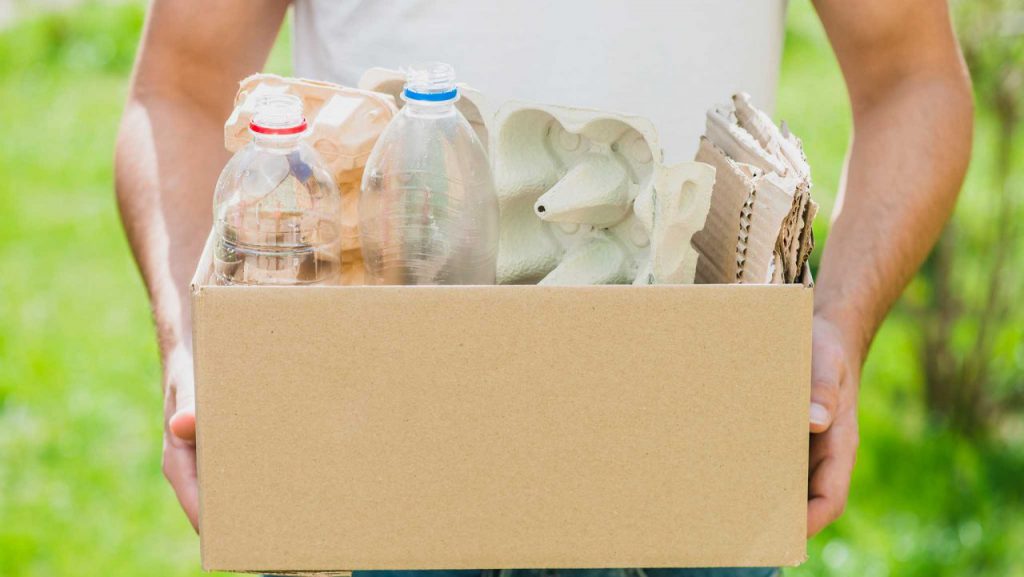
Dry waste is waste that does not decompose, does not contain organic matter, and is also known as non-biodegradable waste. This type of waste refers to recyclable and non-recyclable materials such as plastic, glass, metals, wood, sawdust, textiles, cardboard and other papers, home or office furniture, household garbage, bottles and cans.
Wet waste refers to organic food, fruit and vegetable waste, dirty food packaging, sanitary materials, yard waste, cloths and paper towels, cooking fats, oil, grease and other liquid waste that is produced as a by-product.
Introducing 6 types of dry waste
1 – Paper waste
- Pizza and food boxes
- Disposable letters and tickets
- Pamphlets and invoices
- Washed paper cups and plates
- Empty cartons
- Thin cardboard
- Computer printer paper
- Empty paper milk and juice cartons
- Paper gift wrapping
- Egg cartons
- Sweetie boxes
2- Plastic waste
- Washed milk caps
- Plastic bags
- Crisp and toffee wrappers
- Plastic bottles (shampoo, toothpaste, etc.)
- Washed plastic plates and cups
- Sponges and clouds
- Plastic toys and ropes
3- Dry glass waste
- Empty, healthy bottles such as beer bottles, sauces, jams, glass jars, etc.
- Types of lamps
- Mirrors
- Crystal and porcelain
- Ceramics
4- Metals
- Cans and pastes
- Metal kitchenware
- Metal pipes and valves
- Copper, cast iron, iron utensils
- Metal spray cans
- Aluminum foil
- Radiators
5- Electronic wastes
- Wires, cables and sockets
- CDs and cassettes
- Calculators
- Watches
- Computer accessories
- Flashlights and batteries
- Telephones and mobile phones
- Televisions and all kinds of electrical appliances
6- Fabrics and textiles
- Old and used clothes
- All kinds of fabric items
- Bags and shoes
- Leather items and clothing